Building
South Stoa (II.Aph.2)
Detail
- Building type
- Stoa/Portico
- Date
- late 5th/early 6th century AD
- Location
- Aphrodisias (Asia Minor)
- Period of use
- late 5th/early 6th century; destroyed c. 11th century
- State of preservation
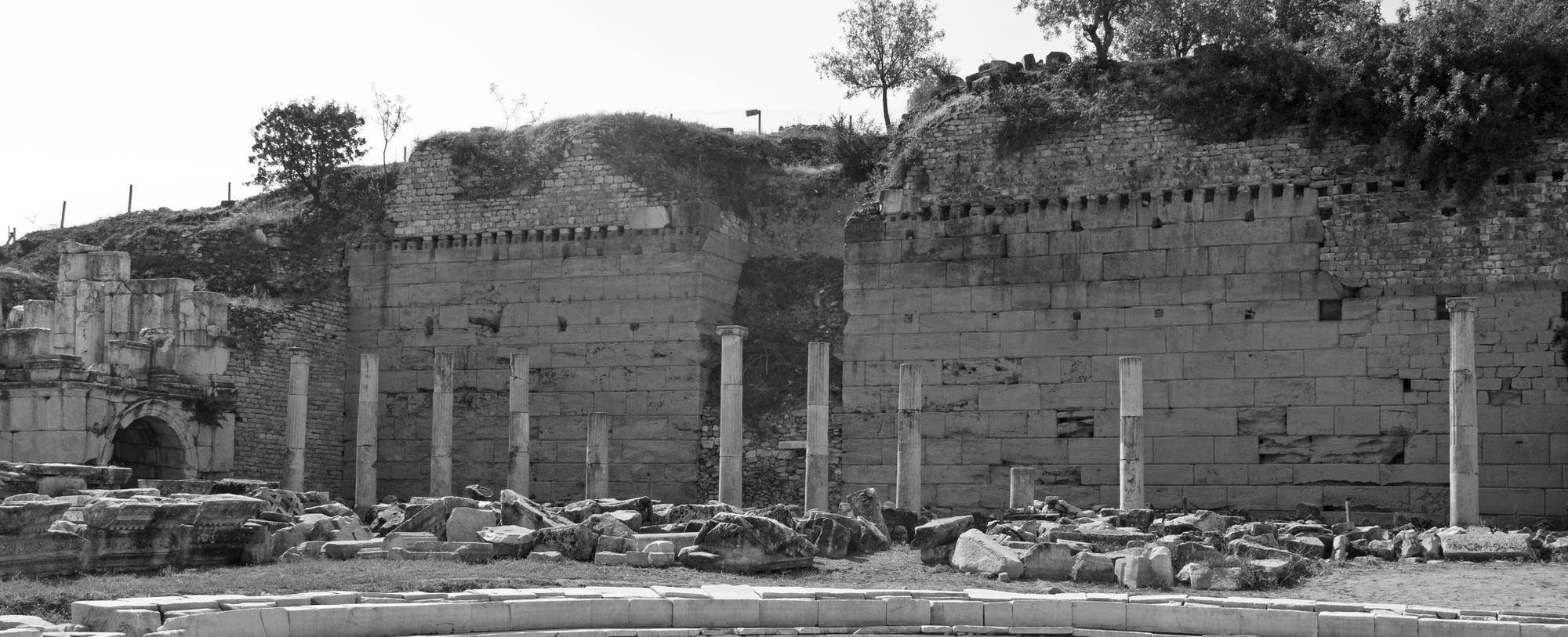
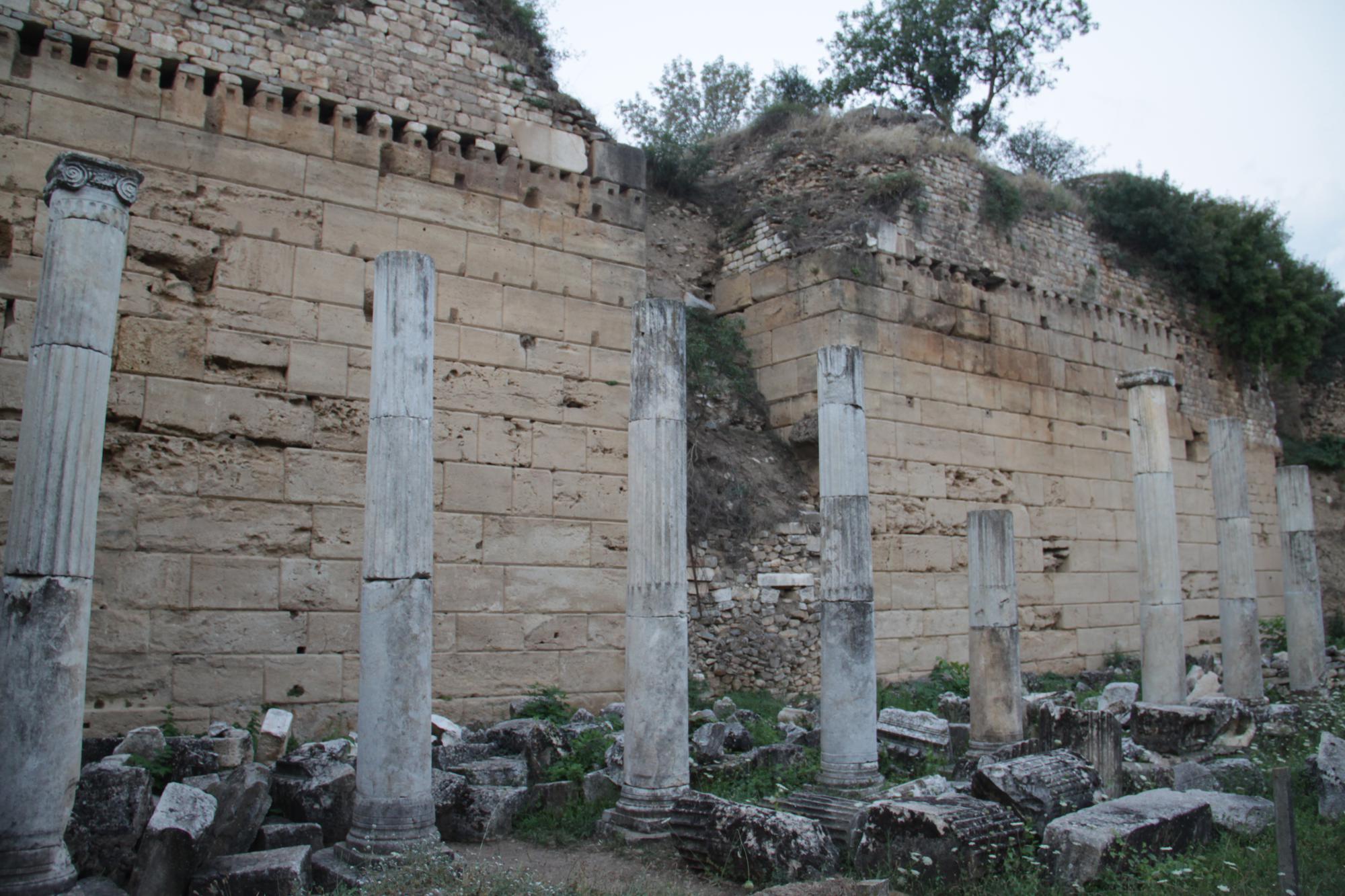
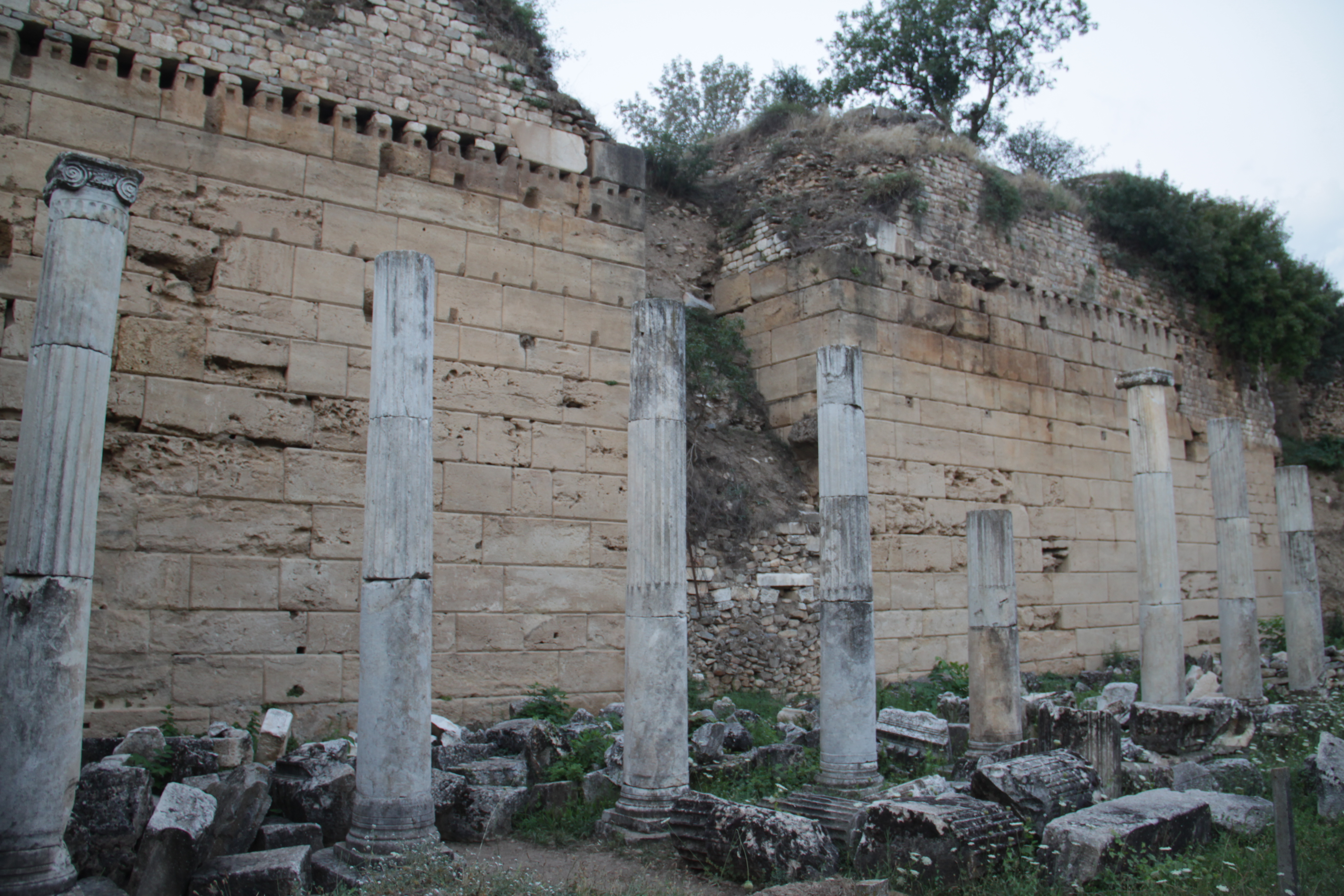
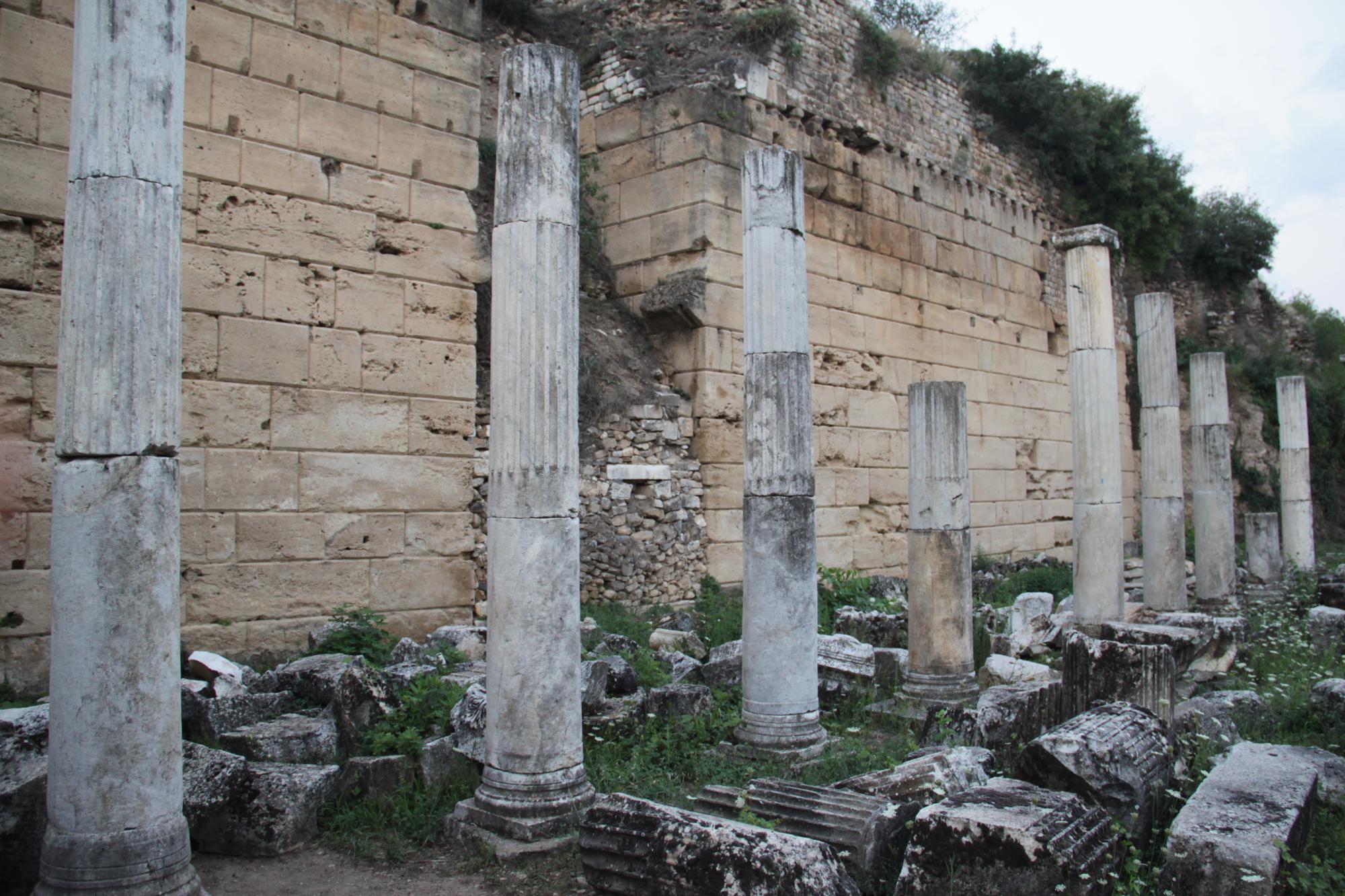
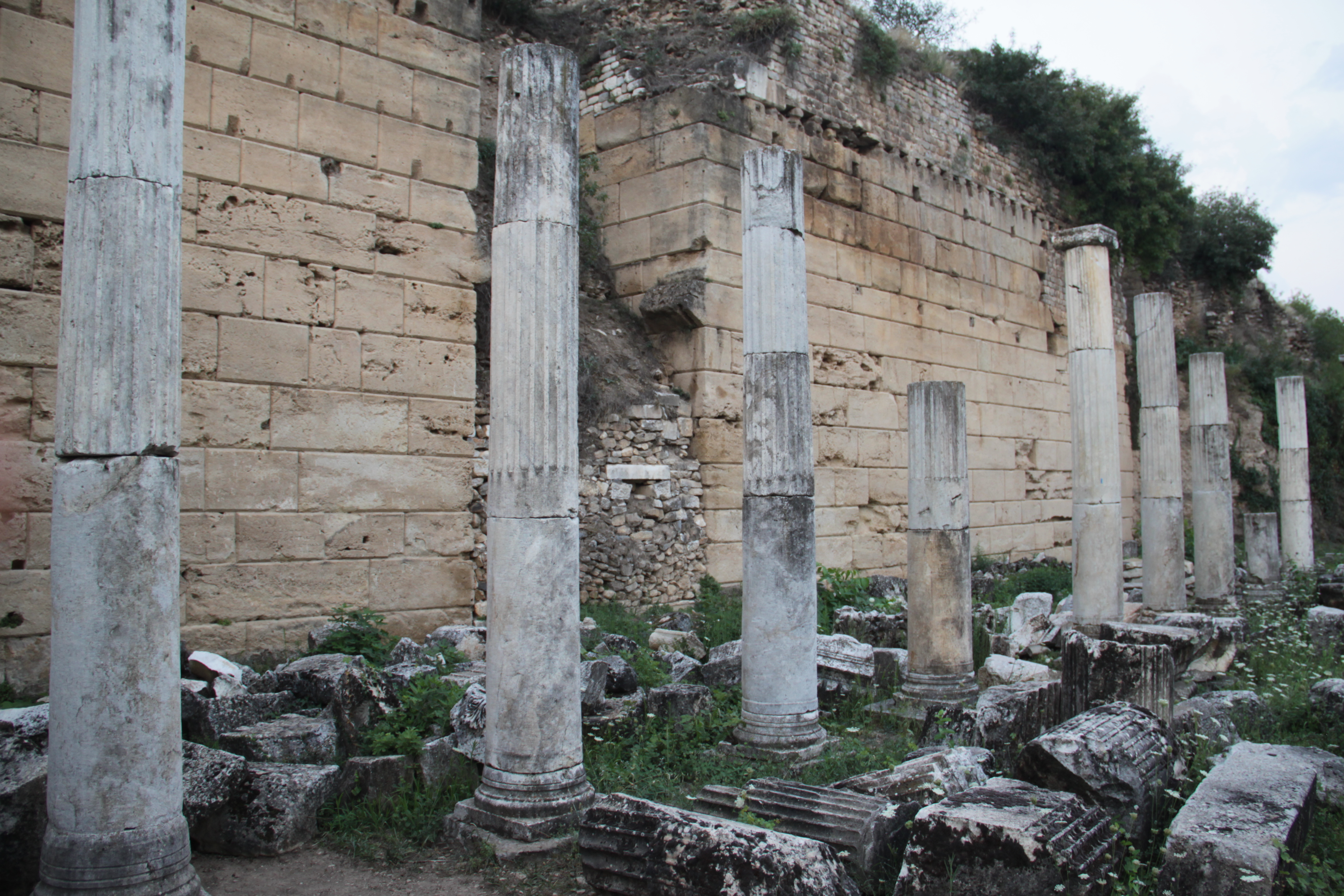
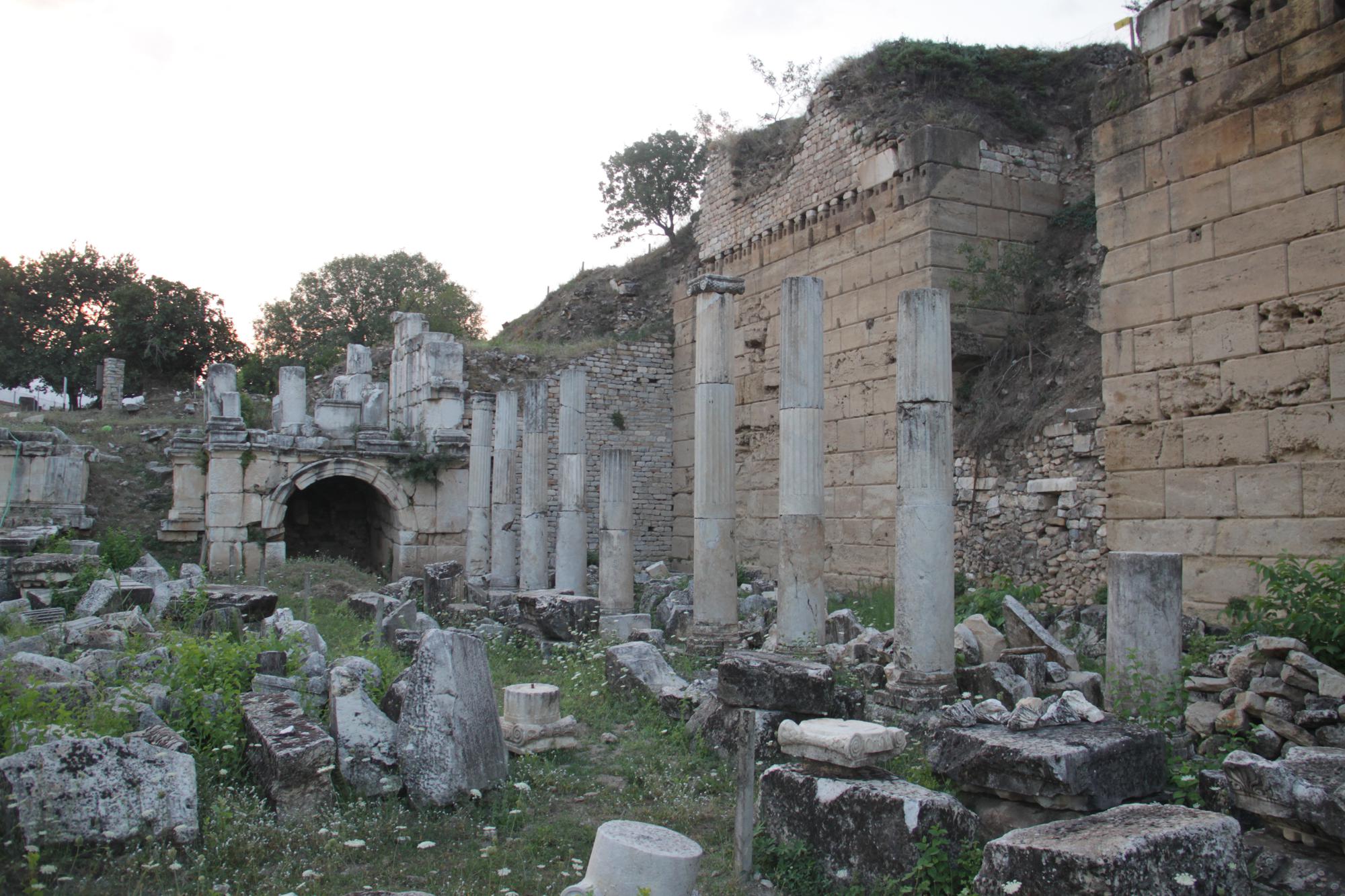
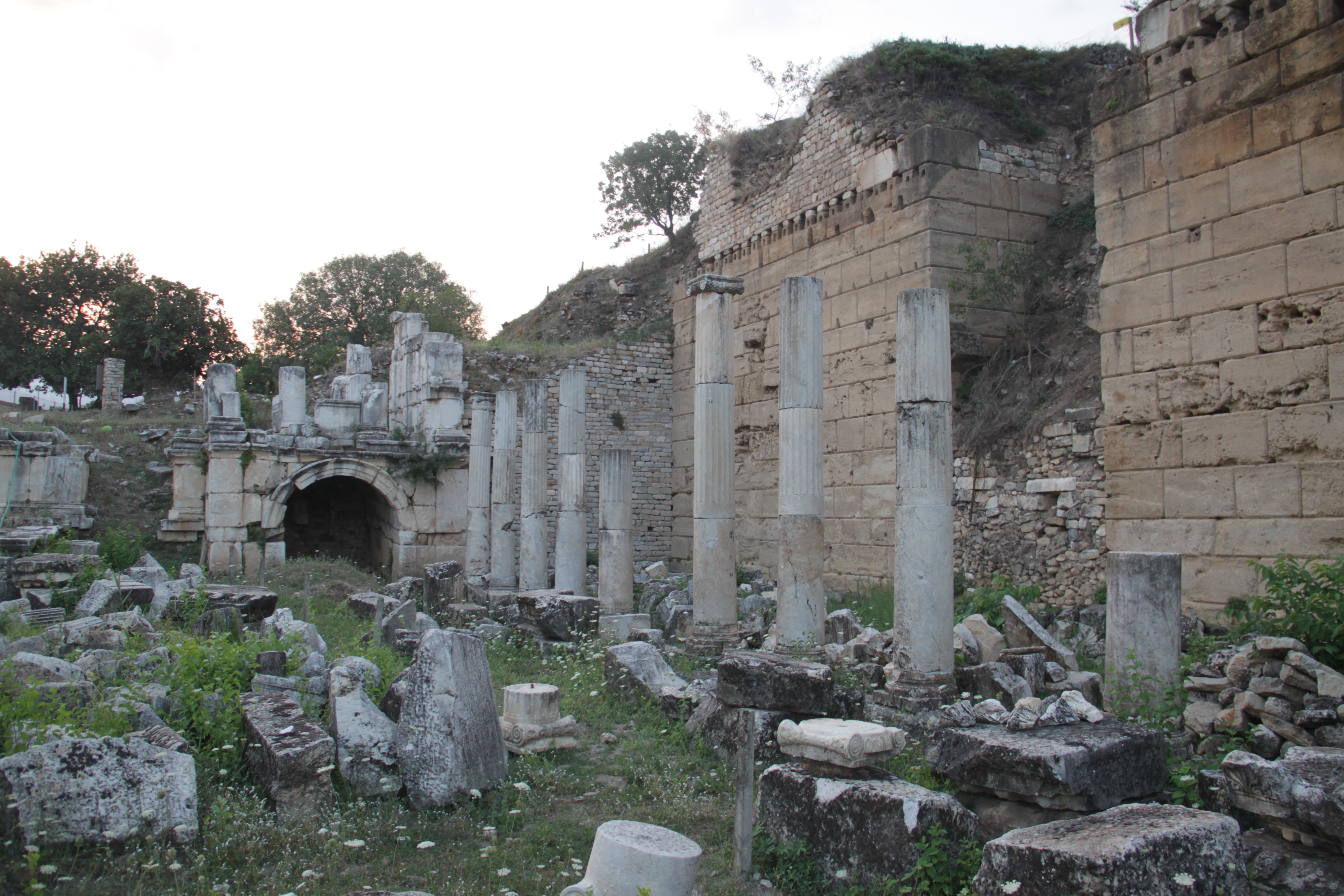
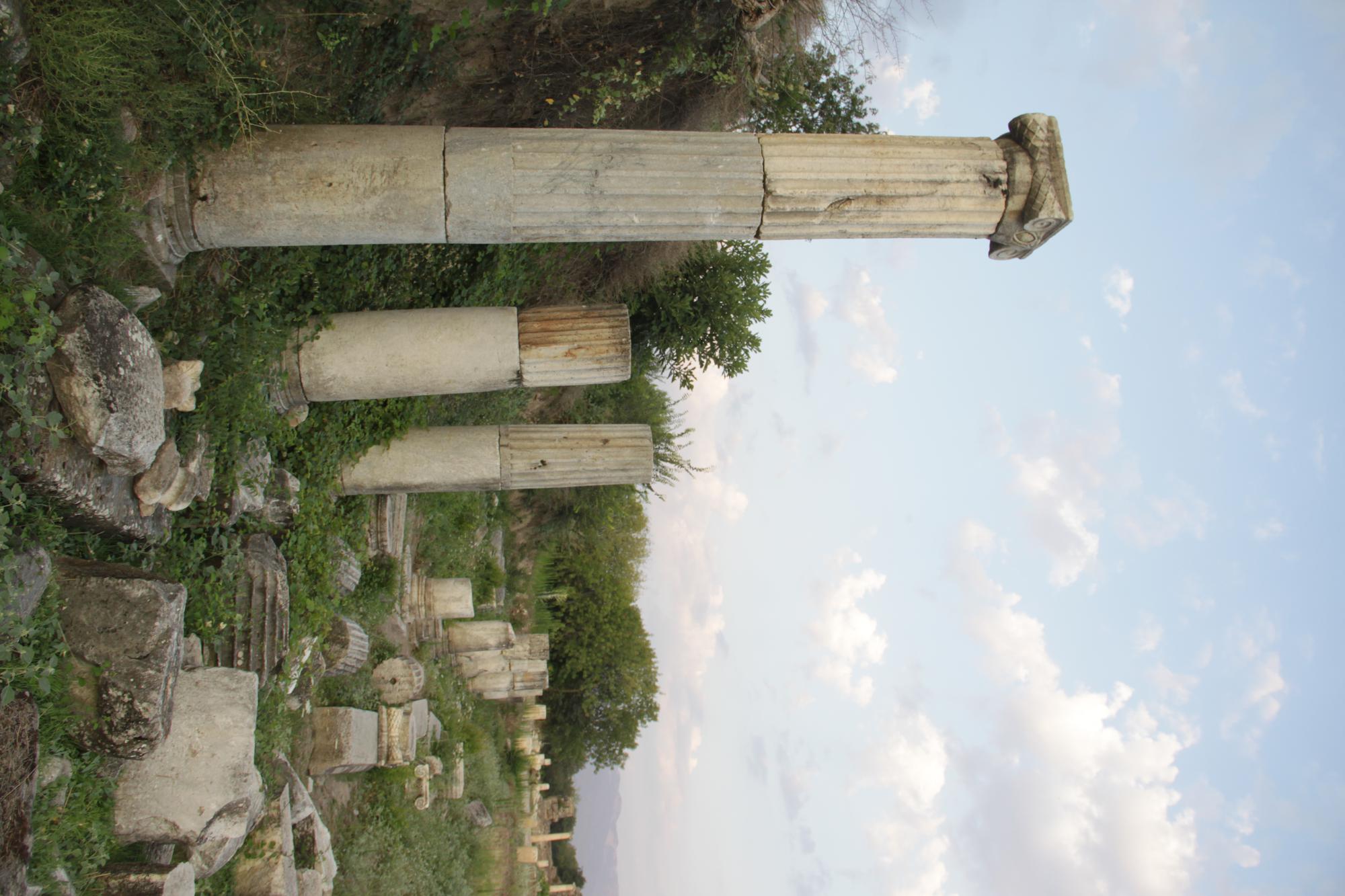
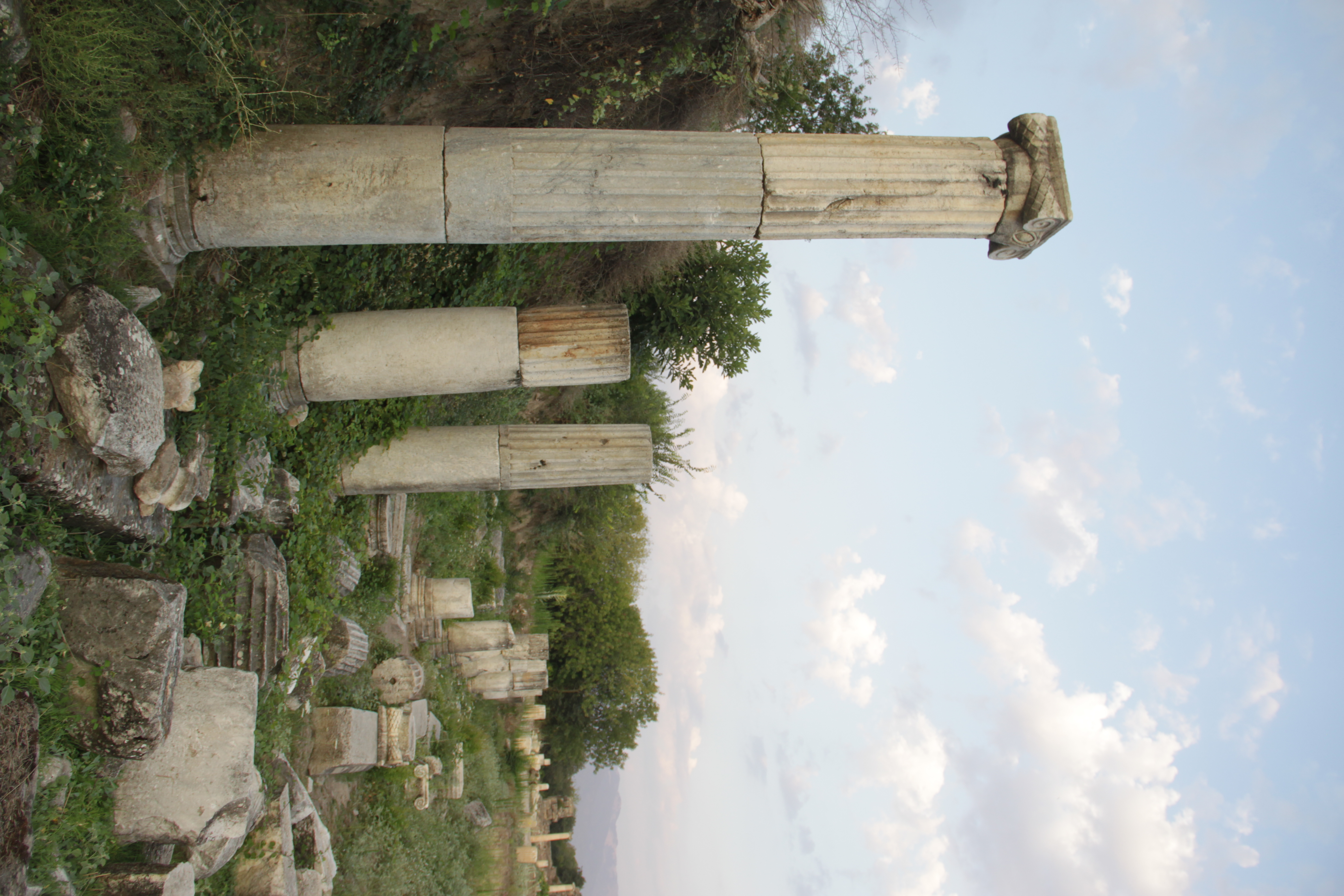
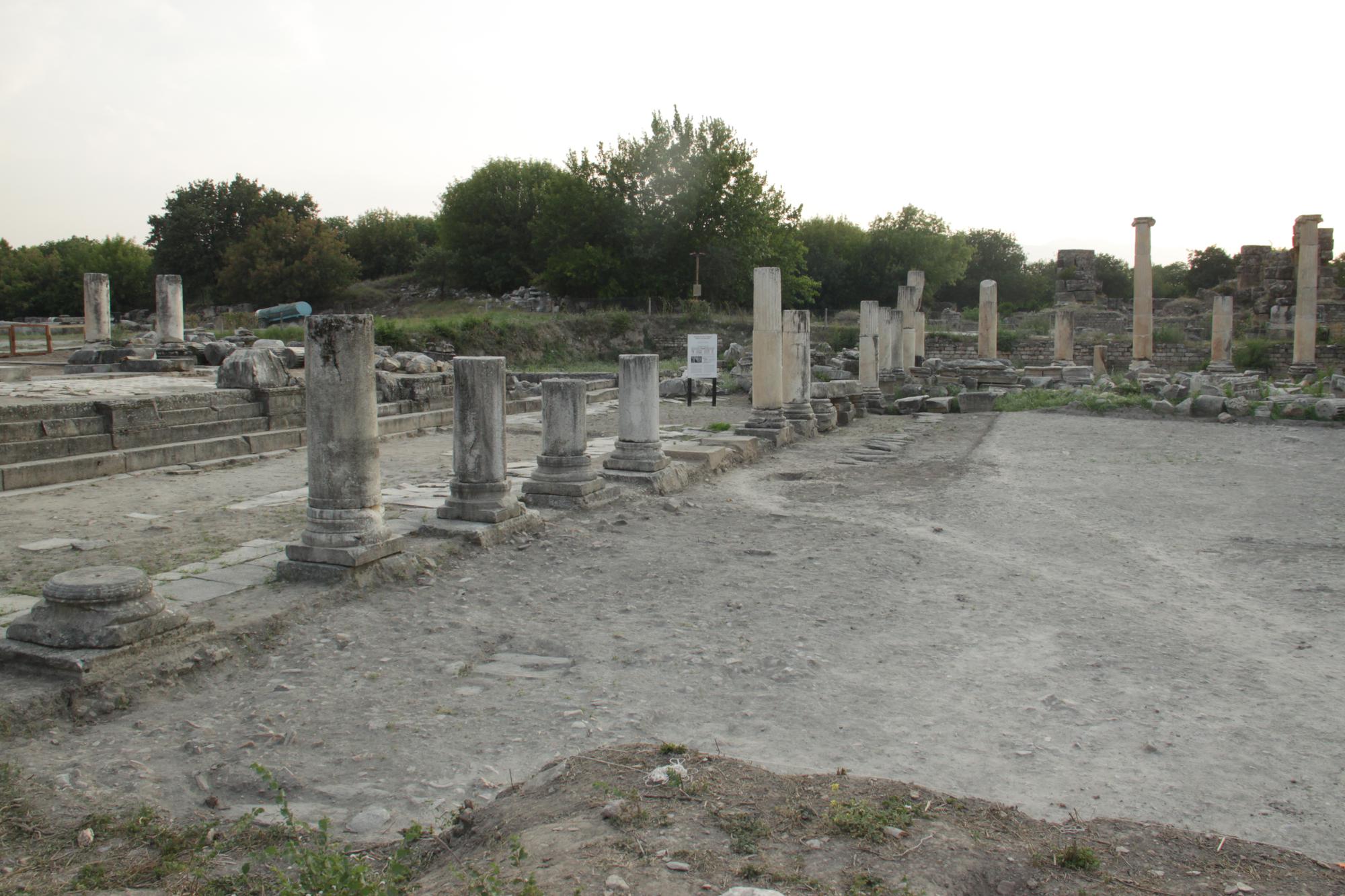
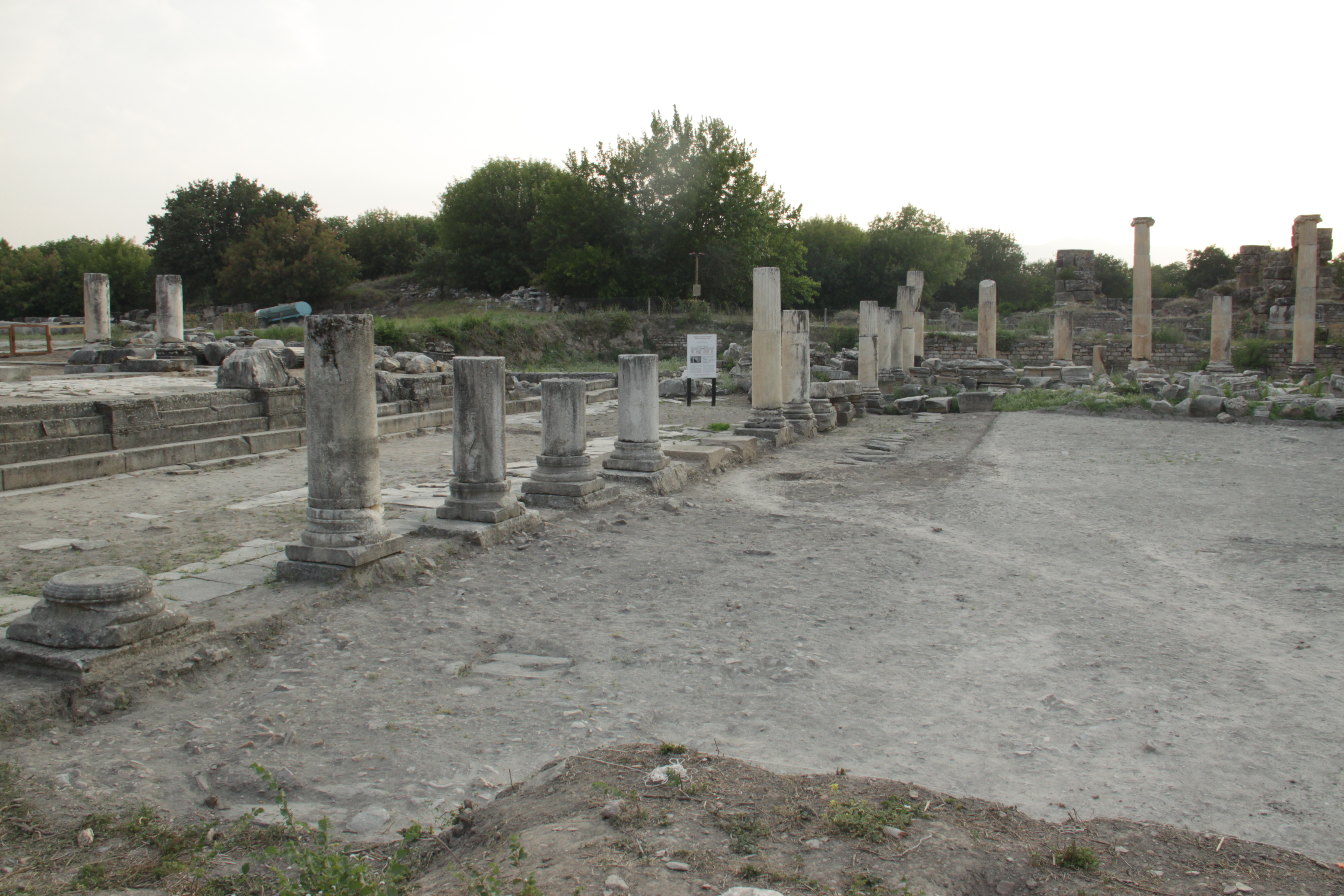
Destroyed and partially rebuilt. Only portions of the South Stoa have been excavated; one area extending east from the West Stoa during 1960-1971 and 2018 and another area in two trenches extending west from the East Propylon during the early-mid 1980s. A majority of the blocks belonging to the stoa were uncovered during these excavations, with a few additional elements revealed within the area of the pool in 2013-2017. Although many blocks were moved in the process of reconstruction efforts supervised by Prof. K. Erim and during later site maintenance, most blocks are near their original find spots, where they fell. As such, the sequence provided here follows the order in which they are currently positioned along the south side of the Place of Palms, proceeding westward from the East Propylon. First-hand analysis of each block was conducted and full measurements were taken whenever possible (measurements were unavailable for those blocks that have been re-erected, and thus too high to reach, and those which remain partially unexcavated or obscured by subsequent erosion and siltation).
- Dimensions
-
L: 199 m
Description
In its Late Antique phase, the South Stoa stood as part of a coherent urban architectural unit, running parallel to and adjoining the northern retaining wall of the city’s theatre hill, along with a stoa to the west, the North Stoa, and the monumental ›East Gate‹. Together, these structures not only enclosed the urban park but also provided a monumental architectural frame for an important and vibrant public area of the city, which featured a palm grove and a 175 m long pool.
All marble elements were carved from local Aphrodisian marble; over half of them were newly carved for this project, as proven by their dimensions, technical execution, and uniformity of select motifs. A series of cuttings made into the face of the theatre hill retaining wall provide evidence for the insertion of transverse beams as well as primary and secondary rafters that would have provided support for both a roof and second storey of the stoa. The evidence for components belonging to this upper storey, which were documented across the south-central area of the Place of Palms, may be grouped together according to their style and proportions, with dimensions smaller than those of the stoa’s first storey Ionic order.
Bibliography
Kidd, A.B. 2018. "The Ionic Capitals from the South Stoa of Aphrodisias’ Urban Park: A Case Study of Urban Design in Late Antiquity." Istanbuler Mitteilungen 68: 209-244.
Waelkens, M. 1987. "Notes d’architecture sur l’agora et le portique de Tibère à Aphrodisias de Carie." In J. de la Genière and K. Erim (eds.), Aphrodisias de Carie. Colloque du Centre de recherches archéologiques de l’Université de Lille III, 13 novembre 1985. Paris: 123–134.